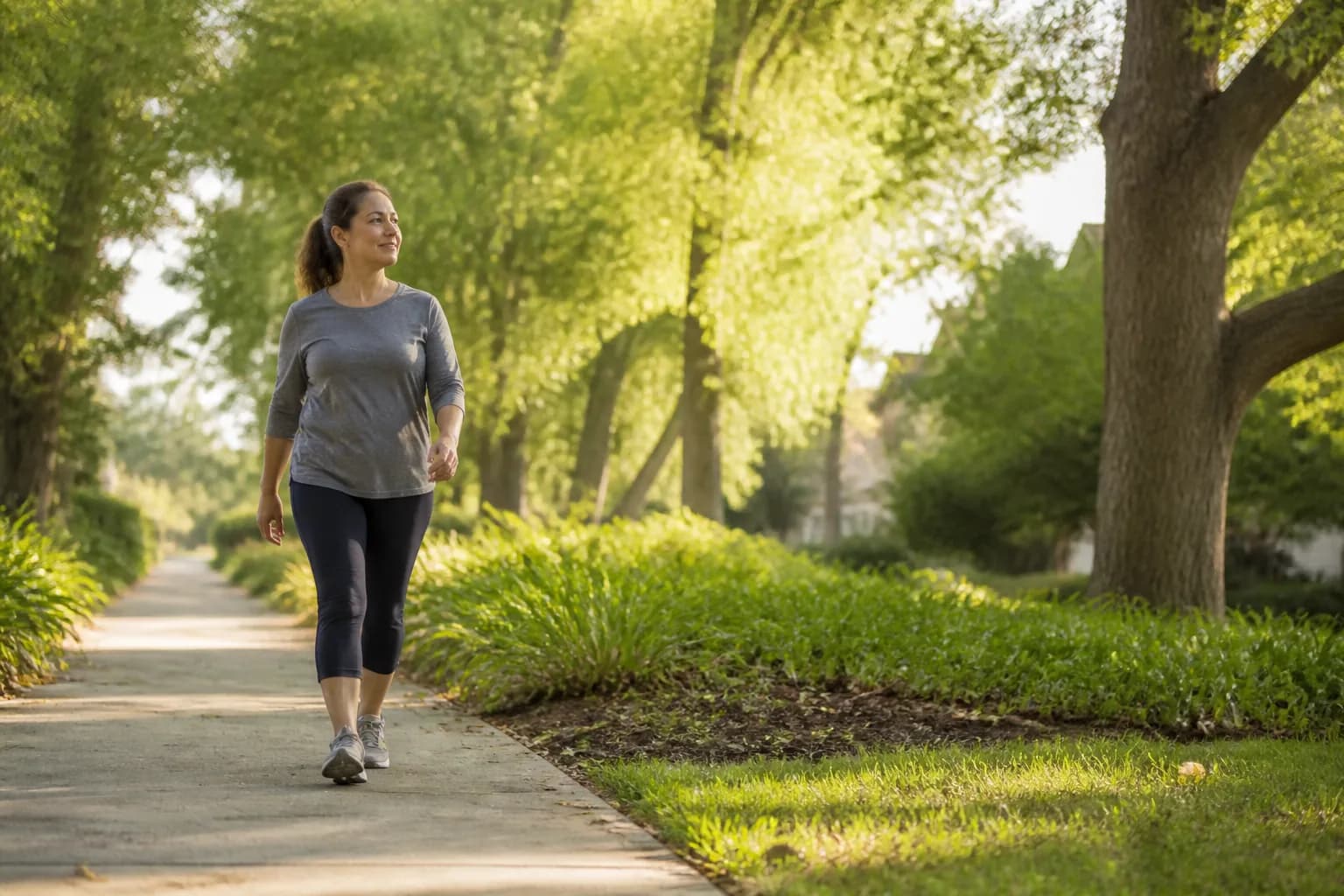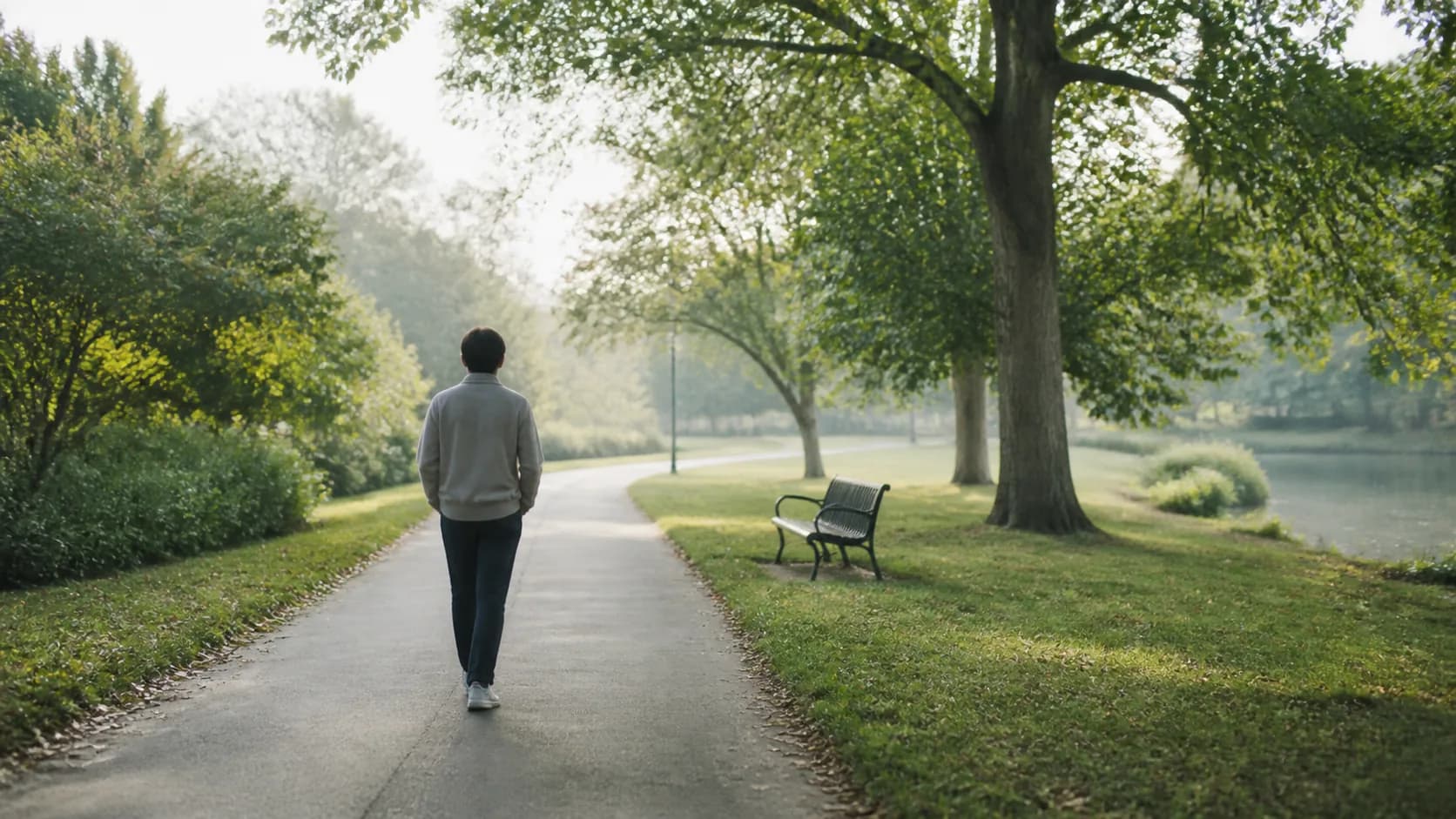
Silent walking is simply walking without music, podcasts, calls, or scrolling. It is not a medical treatment or a test of mindfulness. It is a chance to give a familiar walk fewer inputs and notice how your body, route, and mood feel.
Why it can be useful
| What changes | What you may notice |
|---|---|
| Fewer audio inputs | More awareness of breathing, traffic, and surroundings. |
| No content to keep up with | A slower, less rushed feeling. |
| A repeatable cue | A transition between work, home, or stressful tasks. |
Some people find silence calming; others find it uncomfortable or boring. Both responses are normal. The point is to test a different relationship with the same walk.
A low-pressure way to try it
Leave the headphones off for the first five minutes of a familiar daytime route. Keep your phone with you for safety, navigation, or emergencies, but put it away. Notice three ordinary things: your pace, one sound, and one visual detail. Then decide whether to continue silently or resume your usual audio.
There is no prize for completing an hour in silence. A five-minute reset can be enough.
Safety still comes first
Use audio-free walking to increase—not reduce—environmental awareness. Choose a route where you feel safe, let someone know your plan when appropriate, and keep emergency communication available. If you use audio for a legitimate safety or accessibility reason, do not remove it just to follow a trend.
Stepsly can still support the habit in the background through Apple Health-based daily progress, goals, history, and widgets. It does not require a social feed or an on-walk coaching experience to make a quiet walk count.
Pair this practice with walking for mental health, walking to improve sleep quality, or how to stay motivated to walk.
Silence is a setting, not a cure
A quiet walk can create space away from notifications and entertainment, but it does not automatically resolve anxiety, depression, grief, burnout, or sleep problems. Some people feel calmer when there is less input; others notice uncomfortable thoughts more strongly. Neither reaction means you are doing it wrong.
The useful measure is practical: does a quieter walk help you return to the next part of your day with a little more attention, steadiness, or enjoyment? If it does not, a podcast, music, a walking companion, or a different route may be the better choice.
| What you notice | A sensible response |
|---|---|
| The walk feels restorative | Keep it short and repeatable. |
| You feel bored | Try five quiet minutes rather than forcing the entire route. |
| You feel anxious or unsafe | Change route, time, companion, or use appropriate audio/navigation. |
| You become absorbed in rumination | Use a gentle external cue: notice colors, footsteps, or breathing. |
| You need an accessibility tool | Keep using it; the trend is not more important than access. |
A few ways to make it specific
“No phone” can be too broad to be useful. Choose a small experiment:
- Walk one familiar block without audio and notice the pace you naturally choose.
- Take a five-minute transition walk after work before looking at messages.
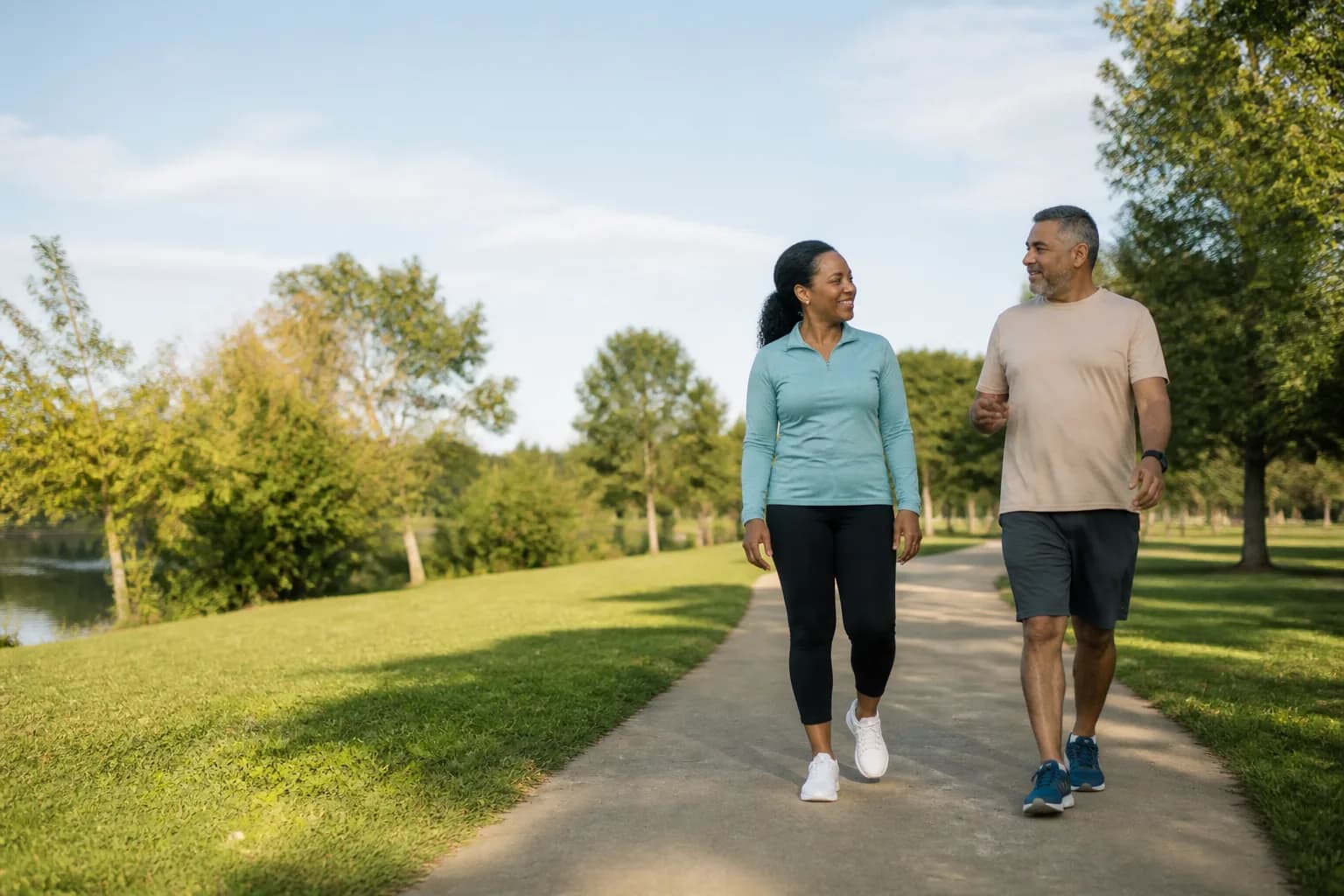
- Walk with a friend and agree not to look at phones, while still talking normally.
- Take a morning loop without news or podcasts, then decide whether the silence suits the day.
- Use a phone only for navigation or safety, with notifications muted for the route.
The point is not perfect abstinence. It is creating a little distance from automatic input. You can bring headphones and decide not to use them; you can listen for half the walk and go quiet for the rest. A flexible experiment is more likely to become a helpful habit than a rigid rule.
Keep route safety in the foreground
Silent walking is not “better” if it removes a safety cue. Follow local traffic rules, look up at crossings, use lights or reflective clothing when conditions require them, and keep emergency contact/navigation available. Let someone know your route for a longer or unfamiliar walk. Do not put the phone into an unreachable bag if you need it for safety.
For some people, audio is an accessibility aid, a way to manage sensory environments, or a practical safety tool. There is no reason to remove it. Likewise, a busy nighttime route is not the place to test a device-free trend. Choose an environment where a quieter walk increases awareness instead of isolating you.
Use attention without over-monitoring
You do not need a guided mindfulness practice to walk quietly. A few simple cues can prevent the walk from becoming another performance task:
- Notice whether your shoulders are tense and let them soften if comfortable.
- Listen for one nearby sound and one distant sound.
- Look for a detail in the route you usually miss.
- Return attention to the next few steps when thoughts wander.
- End when the planned short route is complete rather than stretching it to “get a result.”
The purpose is ordinary awareness, not emptying your mind. If you notice distressing thoughts, pause, call someone, choose a more supported activity, or seek professional help as appropriate. A walk can be supportive, but it should not be expected to carry the role of mental-health treatment.
Make it one option among many
Some days you may want a silent walk. On others, a favorite song, an audiobook, a language lesson, a child’s conversation, or a phone call may be what gets you outside. All are valid. Stepsly can make the movement habit visible through goals and history, but a quiet walk does not need to produce a special step total or streak to have value.
Build a quiet-walk ritual that stays light
The most useful rituals have a clear beginning and ending. You might put your phone in a pocket, take one deep normal breath, walk to a familiar landmark, and return. Or use the same five minutes after closing a laptop each day. These cues can help create a transition without asking the walk to solve every problem.
| Time of day | Possible purpose | Keep it practical by… |
|---|---|---|
| Morning | Ease into the day before feeds and messages. | Choosing a short, familiar daylight route. |
| Lunch | Separate work from a meal break. | Keeping navigation and work calls available if needed. |
| After work | Create a boundary before arriving home. | Walking where you feel safe and not extending it when tired. |
| Evening | Wind down with low stimulation. | Prioritizing visibility, route safety, and company where appropriate. |
If you notice the ritual becoming rigid—such as feeling unable to walk with music or believing a walk is wasted unless it is silent—deliberately vary it. Flexibility is healthier than perfect adherence.
When to add support instead
Walking may complement professional mental-health care, but it cannot replace it. Seek qualified help for persistent low mood, panic, intrusive thoughts, sleep disruption, substance concerns, or difficulty functioning. If you feel in immediate danger or may harm yourself, contact local emergency services or a crisis resource right away. Do not rely on a solitary walk as the only response to a safety concern.
For everyday stress, a short quiet walk can remain simply that: a low-pressure chance to move, see the environment, and return. The absence of audio is optional; the value is in choosing the experience that supports you.
Notice the whole environment
Quiet does not mean isolating yourself from the world. Let it sharpen ordinary awareness: weather, pavement conditions, other people, bicycles, and the pace at which you want to travel. If surroundings begin to feel unsafe, use the tools that help—navigation, a call, a companion, or a different route. A silent walk should never ask you to sacrifice security for purity.
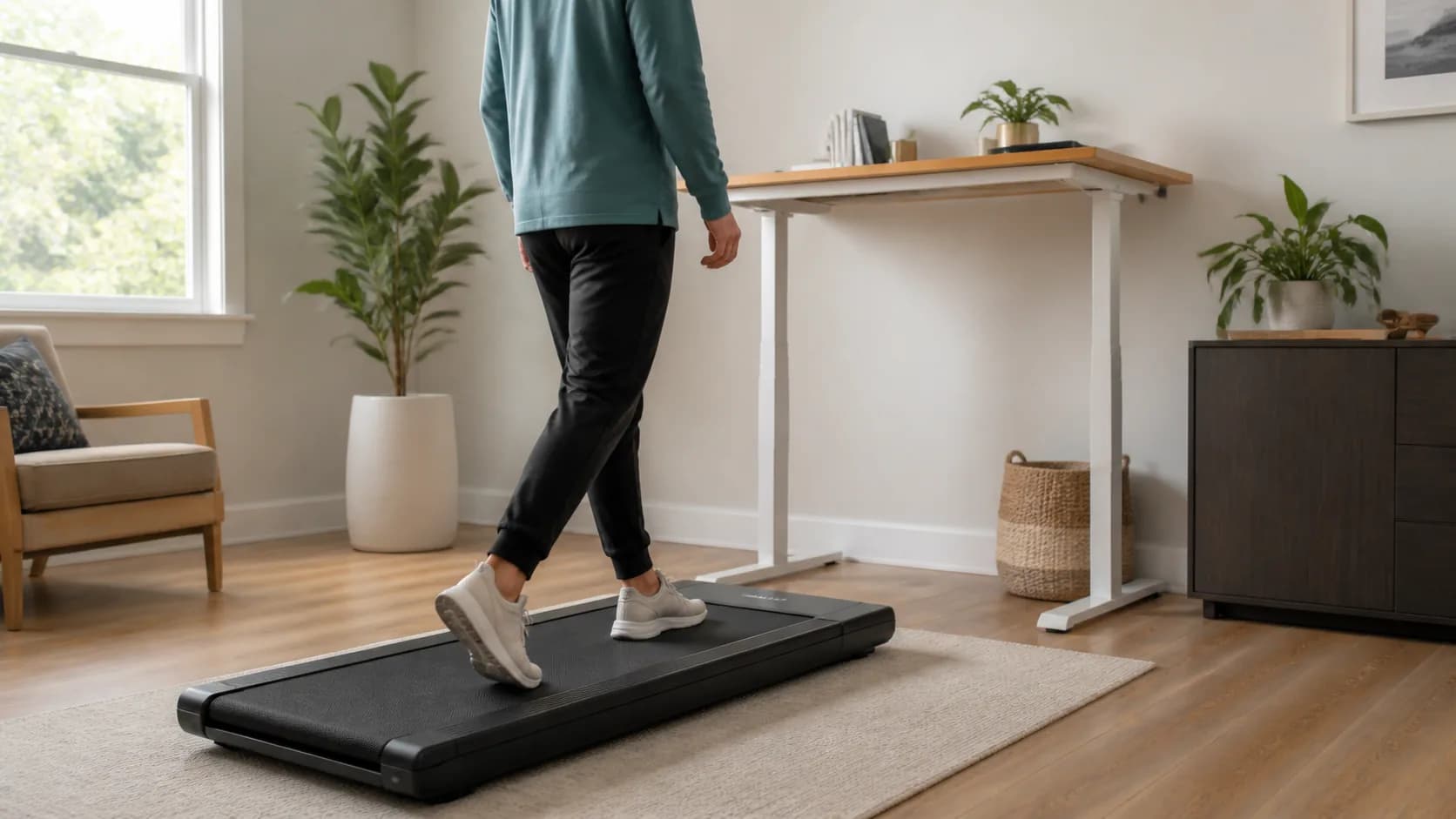
You can also take the idea indoors, walking through a familiar building or room without media while maintaining the same safety attention. The method is adaptable; no specific route, duration, or emotional outcome is required.
Let the walk end before it becomes another obligation. A calm five-minute route that you repeat willingly is enough; longer silent walks are optional and can wait for a day that suits them.
For additional planning context, see walking 45 minutes a day and walking one hour a day.
Sources, notes & disclaimers
-
Planning doses use the Physical Activity Guidelines for Americans (opens in a new tab): 150–300 moderate weekly minutes plus strength work on 2 days for most adults who can safely do so.
-
Regular physical activity has broad health benefits, including benefits related to how people feel and function: U.S. Physical Activity Guidelines (opens in a new tab).
-
Silent walking is not a substitute for mental-health care. Seek qualified support for persistent distress, worsening mood, or safety concerns.