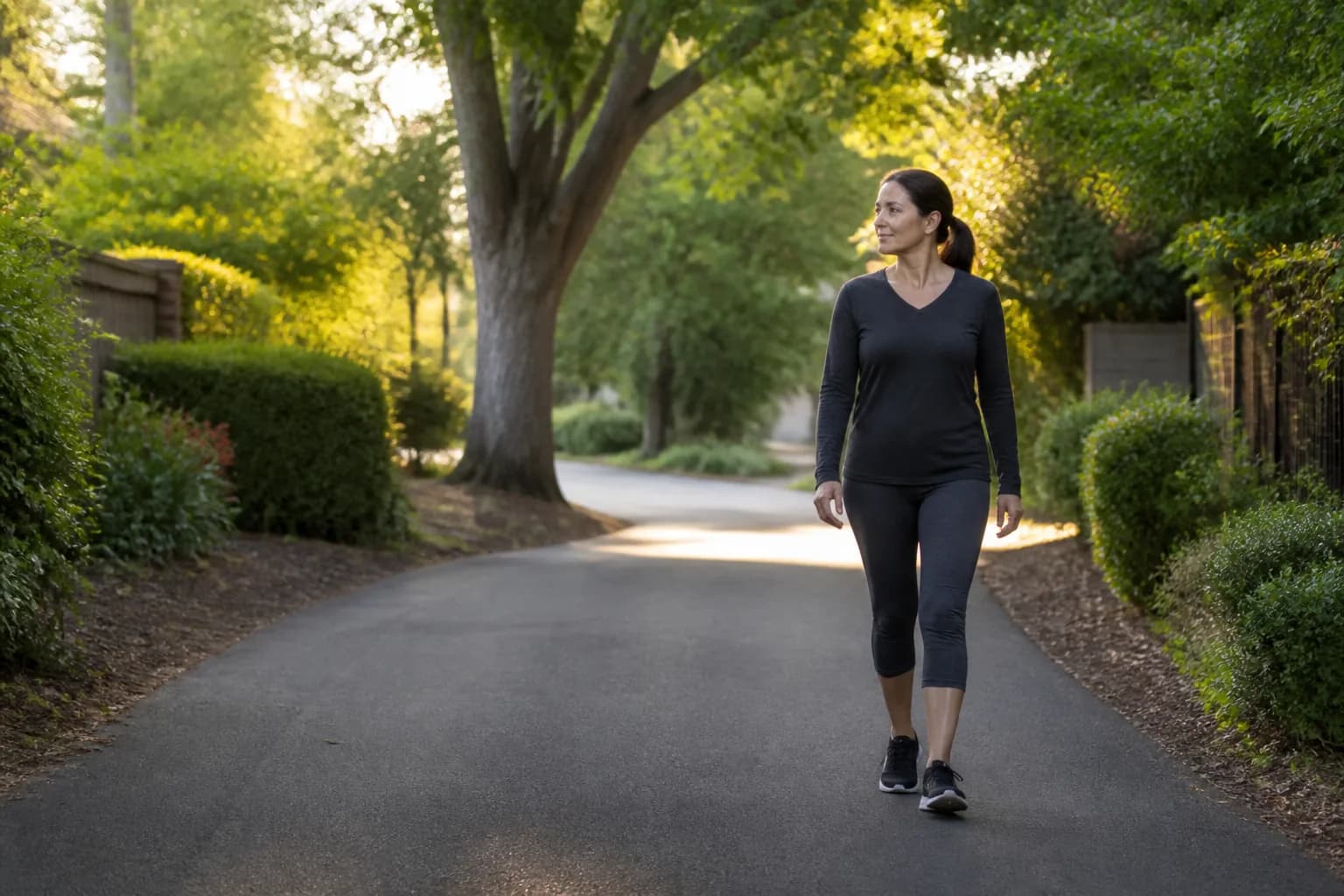
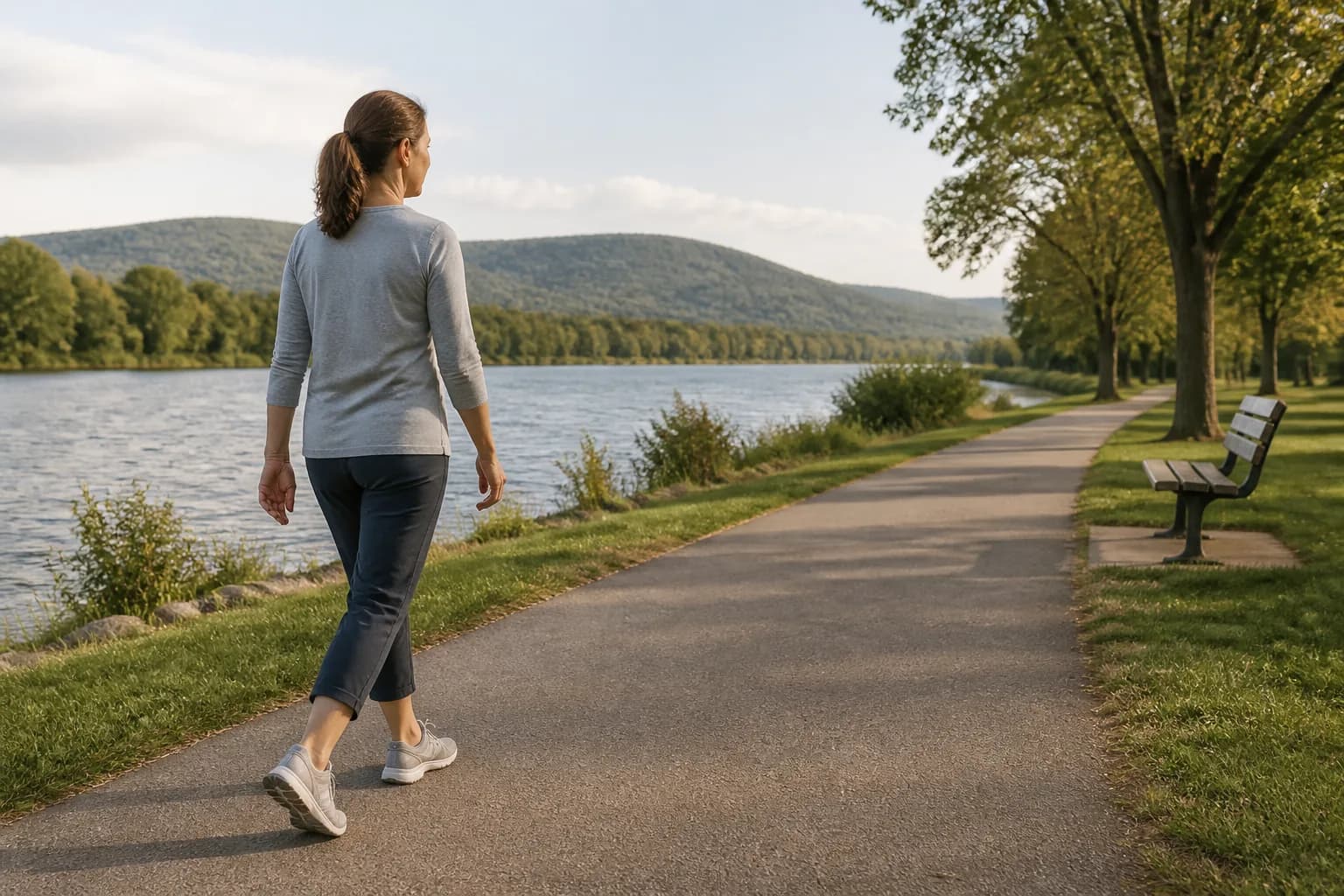
Walking is one of the most valuable activities for older adults. It preserves independence, protects against chronic disease, and improves quality of life. But how many steps should seniors aim for each day?
This guide covers what the research on older adults actually shows, and how to turn it into a daily target. For the numbers across every life stage, see our guide to healthy step counts by age.
Why Walking Is Essential for Seniors
Walking delivers unique benefits that become increasingly important with age.
Maintaining Independence
Walking ability directly affects independence:
- Ability to perform daily activities
- Getting around the home safely
- Shopping and running errands
- Visiting friends and family
- Participating in community activities
Staying active helps you keep doing these things for yourself.
Lowering Fall Risk
Falls are a major concern for older adults. Regular walking can help by building:
Strength benefits:
- Strengthens leg muscles
- Improves ankle stability
- Maintains hip strength
- Builds core support
Balance benefits:
- Improves proprioception (body awareness)
- Trains balance reactions
- Builds confidence in movement
- Reduces fear of falling
In a 2025 meta-analysis of step studies (opens in a new tab), 7,000 steps a day was linked to 28% fewer falls than 2,000 steps, though the authors rated that evidence very low certainty. Walking alone isn't a full fall-prevention plan. The CDC's guidance for adults 65 and older (opens in a new tab) also calls for muscle-strengthening on at least 2 days a week and activities that improve balance.
Cognitive Protection
More daily steps are linked to better brain health in later life. In a UK Biobank study of 78,430 adults aged 40 to 79 (opens in a new tab), about 9,800 steps a day was linked to roughly 50% lower dementia risk over seven years, and about 3,800 steps a day to 25% lower risk.
That study was observational, and dementia develops slowly, so some people may have walked less because the illness had already begun. It shows a link, not proof that walking prevents dementia. Still, the brain is one more reason to keep moving as you age.
Chronic Disease Management
Walking helps manage conditions common in older adults:
Heart disease:
- Walking programs lowered systolic blood pressure by about 4 mmHg on average in a Cochrane review of 73 trials (opens in a new tab), with benefits across age groups
- In a 2023 analysis of 20,152 adults (opens in a new tab), people aged 60 and older in the most active quarter had about half the cardiovascular disease risk of the least active quarter
Diabetes:
- Helps control blood sugar, especially a short walk after meals (see walking for diabetes)
- Supports a healthy weight
- Counts toward the 150 weekly minutes recommended for people with diabetes
Arthritis:
- Regular moderate activity improves pain, function and quality of life in osteoarthritis, according to the US Physical Activity Guidelines
- The same guidelines say walking up to 10,000 steps a day does not appear to worsen knee osteoarthritis
- Helps maintain range of motion
Bones:
- Walking is weight-bearing, but its effect on bone density is small; trials in postmenopausal women found a modest benefit at the hip and none at the spine
- Strength and balance work add the loading and steadiness that walking alone doesn't provide
Our guide to walking for bone and joint health covers both in more detail.
Mental Health and Social Connection
Walking supports emotional wellbeing:
- Reduces depression symptoms
- Decreases anxiety
- Provides social opportunities
- Creates sense of purpose
- Improves sleep quality
Many seniors find that daily walks are essential for mental health.
Recommended Step Ranges for Older Adults
Step recommendations for seniors differ from general adult guidelines.
The Research on Senior Step Counts
Studies specifically examining older adults show:
Benefits start early:
- In a study of 16,741 women with an average age of 72 (opens in a new tab), about 4,400 steps a day was linked to 41% lower mortality than about 2,700 steps
- A good first target for anyone starting from a low count
Where the benefit levels off:
- In a pooled analysis of 15 cohorts (opens in a new tab), mortality risk fell until about 6,000-8,000 steps a day in adults 60 and older, then leveled off
- In the study of older women, the curve flattened at about 7,500 steps
- Higher counts are fine if you enjoy them, but they aren't needed to get most of the benefit
These studies are observational. They show that older adults who walk more tend to live longer, not proof that the steps alone are the reason.
Step Recommendations by Age
Targets can be adjusted by age group:
| Age Group | Daily Step Target | Notes |
|---|---|---|
| 60-65 | 7,000-8,000 | Similar to general adult recommendations |
| 65-70 | 6,000-7,500 | Slightly reduced target |
| 70-75 | 5,000-7,000 | Focus on consistency |
| 75-80 | 4,000-6,000 | Adjust to ability |
| 80+ | 3,000-5,000 | Any walking is beneficial |
These are our suggested starting ranges, built from the studies above, not official targets. Individual ability varies a lot.
Step Recommendations by Health Status
Health conditions affect appropriate targets:
Generally healthy seniors:
- Aim for 6,000-8,000 steps
- Can work toward higher goals
- Include some brisk walking
Seniors with chronic conditions:
- Start with 3,000-4,000 steps
- Increase gradually as tolerated
- Consult healthcare provider
Seniors with mobility limitations:
- Any increase from baseline is beneficial
- Focus on what is possible
- Celebrate small improvements
Do not compare yourself to step counts from younger years or other people. Focus on your current ability and gradual improvement. Small increases count: a 2023 analysis of 111,309 people (opens in a new tab) found that lower mortality risk began at about 2,500 steps a day compared with 2,000.
Quality Over Quantity
For seniors, how you walk matters as much as how much:
Pace considerations:
- Moderate pace provides cardiovascular benefits
- Slower pace is fine for building endurance
- Some brisk intervals if able
Continuous vs. accumulated:
- Both approaches work
- Shorter walks may be more manageable
- The US guidelines no longer require 10-minute bouts; activity of any length counts toward your weekly total (see the benefits of walking in short bursts)
Terrain:
- Flat, even surfaces are safest
- Avoid slippery or uneven ground
- Indoor options for bad weather
How Seniors Can Safely Increase Steps
Gradual progression prevents injury and builds sustainable habits.
Assess Your Starting Point
Before increasing steps:
- Track current steps for one week
- Calculate your daily average
- Note any pain or fatigue patterns
- Identify barriers to walking more
This baseline guides your progression plan.
The 10% Rule for Seniors
Increase steps conservatively:
- Add no more than 10% per week
- Example: 3,000 to 3,300 steps
- Allow body to adapt
- Reduce if pain or fatigue occurs
Slower progression is safer and more sustainable.
Sample 8-Week Progression
Starting from 3,000 steps daily:
| Week | Daily Target | Weekly Increase |
|---|---|---|
| 1 | 3,000 | Baseline |
| 2 | 3,300 | +300 |
| 3 | 3,600 | +300 |
| 4 | 4,000 | +400 |
| 5 | 4,400 | +400 |
| 6 | 4,800 | +400 |
| 7 | 5,200 | +400 |
| 8 | 5,500 | +300 |
Adjust this timeline based on how you feel.
Listen to Your Body
Pay attention to warning signs:
Normal responses:
- Mild muscle tiredness
- Slightly elevated breathing
- Feeling warm
- Temporary fatigue
Warning signs to stop:
- Joint pain
- Chest discomfort
- Dizziness
- Extreme shortness of breath
- Pain that persists after rest
If warning signs occur, rest and consult your healthcare provider before continuing.
Build Recovery Into Your Plan
Allow adequate recovery:
- Alternate harder and easier days
- Take rest days when needed
- Do not push through pain
- Sleep is essential for recovery
Recovery becomes more important with age.
Best Walking Tips for Seniors with Mobility Limits
Walking is possible and beneficial even with physical limitations.
Adapting to Physical Challenges
For balance issues:
- Use a walking stick or cane
- Walk with a partner
- Choose routes with handrails
- Avoid uneven surfaces
- Consider a walker if needed
For joint pain:
- Walk on softer surfaces
- Wear supportive shoes
- Take shorter, more frequent walks
- Walk when joints feel best (often midday)
- Consider water walking
For breathing difficulties:
- Walk at a pace that allows talking
- Take rest breaks as needed
- Avoid extreme temperatures
- Walk indoors on poor air quality days
- Use pursed-lip breathing
For vision problems:
- Walk in well-lit areas
- Avoid cluttered paths
- Walk with a companion
- Use familiar routes
- Wear appropriate eyewear
Indoor Walking Options
When outdoor walking is not possible:
At home:
- Walk room to room
- March in place
- Walk during TV commercials
- Use hallways for laps
In public spaces:
- Shopping malls (many open early for walkers)
- Community centers
- Large stores
- Indoor tracks
With equipment:
- Treadmill (with handrails)
- Under-desk walking pads
- Stationary walking videos
Always consult your healthcare provider before starting or significantly increasing a walking program, especially if you have heart disease, diabetes, severe arthritis, or balance problems. They can provide personalized guidance for your situation.
Using Assistive Devices
Assistive devices enable walking, not limit it:
Walking canes:
- Provide stability
- Reduce load on painful joints
- Increase confidence
- Should be properly fitted
Walkers:
- Offer more support than canes
- Available with wheels or without
- Some have seats for resting
- Enable walking for those who otherwise could not
Walking poles:
- Engage upper body
- Improve balance
- Reduce joint stress
- Popular for outdoor walking
Social Walking for Seniors
Walking with others provides benefits:
Safety:
- Someone present if problems occur
- Motivation to show up
- Accountability
Mental health:
- Social connection
- Conversation and companionship
- Reduced isolation
Finding walking partners:
- Senior centers
- Community walking groups
- Neighbors
- Family members
- Mall walking clubs
Making Walking Enjoyable
Sustainability requires enjoyment:
- Choose pleasant routes
- Listen to music or audiobooks
- Walk with friends
- Explore new areas when able
- Set small, achievable goals
- Celebrate progress
Tracking Steps as a Senior
Monitoring steps helps maintain motivation and progress.
Simple Tracking Options
Choose tracking that works for you:
Smartphone apps:
- Phone in pocket tracks automatically
- Large display options available
- Can share with family or doctors
Simple pedometers:
- Clip-on devices
- Easy to read
- No charging required
- Affordable
Smartwatches:
- Wrist-based tracking
- Additional health features
- May require help with setup
What to Track
Focus on meaningful metrics:
- Daily step count
- Weekly averages
- Trends over time
- How you feel
Do not obsess over exact numbers. Trends matter more than daily fluctuations.
Sharing Data with Healthcare Providers
Step data can be valuable for medical care:
- Shows activity levels objectively
- Helps adjust treatment plans
- Demonstrates progress
- Identifies concerning changes
Consider sharing your step trends at medical appointments.
The Bottom Line
Walking is one of the most useful things older adults can do for their health. More daily steps are linked to longer life, less heart disease and better brain health, and walking helps manage common chronic conditions. The right step count depends on your age, health status, and ability.
Key takeaways:
- About 4,000-5,000 steps is a good first target; 6,000-8,000 is where the benefit leveled off for adults 60 and older
- Any walking is better than none
- Increase steps gradually (10% per week maximum)
- Quality and consistency matter more than high numbers
- Adapt walking to your abilities and limitations
- Use assistive devices if they help you walk more
- Track progress to stay motivated
Start where you are. Walk what you can. Every step counts toward better health.
References
- National Institute on Aging: Exercise and Physical Activity (opens in a new tab)
- CDC: Older Adult Activity: An Overview (opens in a new tab)
- Association of Step Volume and Intensity With All-Cause Mortality in Older Women (opens in a new tab) — Lee IM, et al., JAMA Internal Medicine, 2019.
- Daily steps and all-cause mortality: a meta-analysis of 15 international cohorts (opens in a new tab) — Paluch AE, et al., Lancet Public Health, 2022.
- Prospective Association of Daily Steps With Cardiovascular Disease: A Harmonized Meta-Analysis (opens in a new tab) — Paluch AE, et al., Circulation, 2023.
- Relationship of Daily Step Counts to All-Cause Mortality and Cardiovascular Events (opens in a new tab) — Stens NA, et al., Journal of the American College of Cardiology, 2023.
- Association of Daily Step Count and Intensity With Incident Dementia in 78 430 Adults Living in the UK (opens in a new tab) — Del Pozo Cruz B, et al., JAMA Neurology, 2022.
- Daily steps and health outcomes in adults: a systematic review and dose-response meta-analysis (opens in a new tab) — Ding D, et al., Lancet Public Health, 2025.
- Walking for hypertension (opens in a new tab) — Lee LL, et al., Cochrane Database of Systematic Reviews, 2021.
- Meta-analysis of walking for preservation of bone mineral density in postmenopausal women (opens in a new tab) — Martyn-St James M, Carroll S, Bone, 2008.
- Physical Activity Guidelines for Americans, 2nd edition (opens in a new tab) — US Department of Health and Human Services, 2018.
- American Heart Association: Walking for Seniors (opens in a new tab)
- Arthritis Foundation: Walking and Arthritis (opens in a new tab)
- Mayo Clinic: Exercise for Seniors (opens in a new tab)