
Calories Burned Walking 1 Hour: Complete Breakdown by Weight

Walking for 1 hour burns 200–400 calories for most adults. Get specific calories by weight and pace, see how far you walk in an hour, and learn to maximize the burn.
Walking for one hour burns approximately 200 to 400 calories for most adults. A 160 lb (73 kg) person at a moderate 3.0 mph pace burns around 256 calories in an hour. At a brisk 3.5 mph, that rises to about 315 calories. For heavier adults, an hour-long brisk walk can easily hit 400+ calories — comparable to a full hour on an elliptical machine, without the gym membership.
Get your personalized result with our Walking Calorie Calculator.
How 1-Hour Walk Calories Are Calculated
Using the standard MET formula:
Calories = MET × weight (kg) × 1 hour
For a 73 kg (160 lb) person at 3.5 mph: 4.3 × 73 × 1 = 314 calories
Calories Burned in a 1-Hour Walk by Weight & Pace
How Far Do You Walk in 1 Hour?
One hour of brisk walking covers the most ground while staying comfortable. 3.5 mph is the sweet spot for most people — fast enough to feel like exercise, slow enough to sustain for 60 minutes without needing to stop.
1-Hour Walk: Weekly and Monthly Calorie Impact
Walking one hour every day creates a significant weekly calorie deficit:
At 160 lbs with a brisk daily walk: approximately 2.7 lbs of fat per month, from walking alone.
Comparing a 1-Hour Walk to Other Exercises
A brisk walk compares favorably to cycling and approaches elliptical levels of burn — without equipment, skill, or gym access.
How to Increase 1-Hour Walk Calorie Burn
- Incorporate intervals: Alternate 3 minutes brisk + 1 minute very fast pace throughout the hour
- Find hilly terrain: Add 200–300 extra calories over the hour on a hilly route vs. flat
- Walk in the morning before eating: Promotes fat oxidation vs. carbohydrate burning
- Increase arm swing: Actively pumping arms adds 5–10% to calorie burn
Podcast tip: Long-form podcasts or audiobooks are the secret weapon for 1-hour walks. When you're engaged mentally, 60 minutes passes in what feels like 20.
Track Your Hour-Long Walks
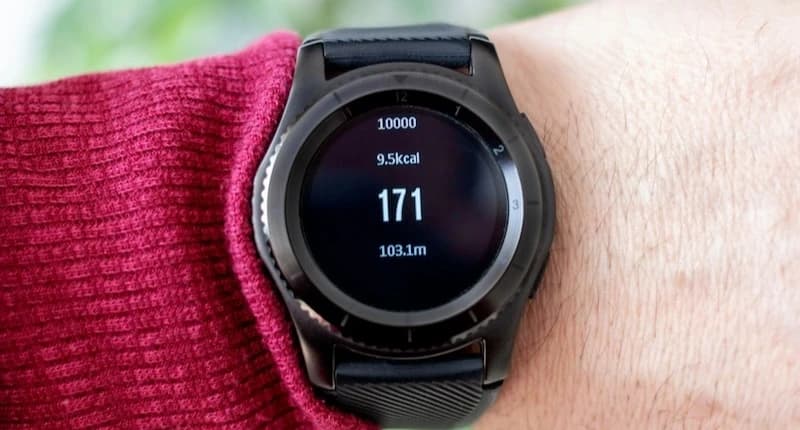
The Stepsly tracks your full walk — time, distance, steps, and calories — giving you a precise picture of your daily activity.

Frequently Asked Questions
How many calories does a 1-hour walk burn?
Walking for one hour burns approximately 200–400 calories, depending on body weight and pace. A 160 lb person at a moderate pace burns about 256 calories; at a brisk pace, about 314 calories.
Is walking 1 hour a day enough to lose weight?
A 1-hour brisk walk burns 250–400 calories per day, creating a weekly deficit of 1,750–2,800 calories. This can lead to 0.5–0.75 lbs of fat loss per week without dietary changes — and 1–1.5 lbs/week with moderate diet adjustments.
How many steps in a 1-hour walk?
At a moderate pace (~3.0 mph), a 1-hour walk covers approximately 6,000–7,000 steps. At a brisk 3.5 mph, it's closer to 7,000–8,000 steps.
What is the best pace for a 1-hour walk to burn the most calories?
As fast as you can sustain for the full 60 minutes. For most people, 3.5–4.0 mph strikes the right balance. Going faster than 4.5 mph becomes a power walk/jog and burns significantly more, but may not be sustainable for an hour.
Does the terrain affect how many calories you burn in an hour walk?
Yes. Walking on a 5% incline for an hour increases calorie burn by approximately 30–50% compared to flat terrain. Hills are the fastest way to boost hourly calorie burn without changing pace.
Free calculators for this topic
Related Posts

How Many Calories Does 5,000 Steps Burn? (By Weight & Pace)
5,000 steps burns roughly 150–250 calories for most adults. Get the exact breakdown by body weight and walking pace, plus tips to maximize every step.

How Many Calories Does 1,000 Steps Burn?
1,000 steps burns roughly 30–50 calories for most adults. Learn the exact math by weight and pace, and why those 'just 1,000 steps' micro-walks add up fast.
Calories Burned Walking 30 Minutes: By Weight & Pace
A 30-minute walk burns 100–200 calories for most adults. Get the exact number for your body weight and pace, plus how to maximize your half-hour walk.